

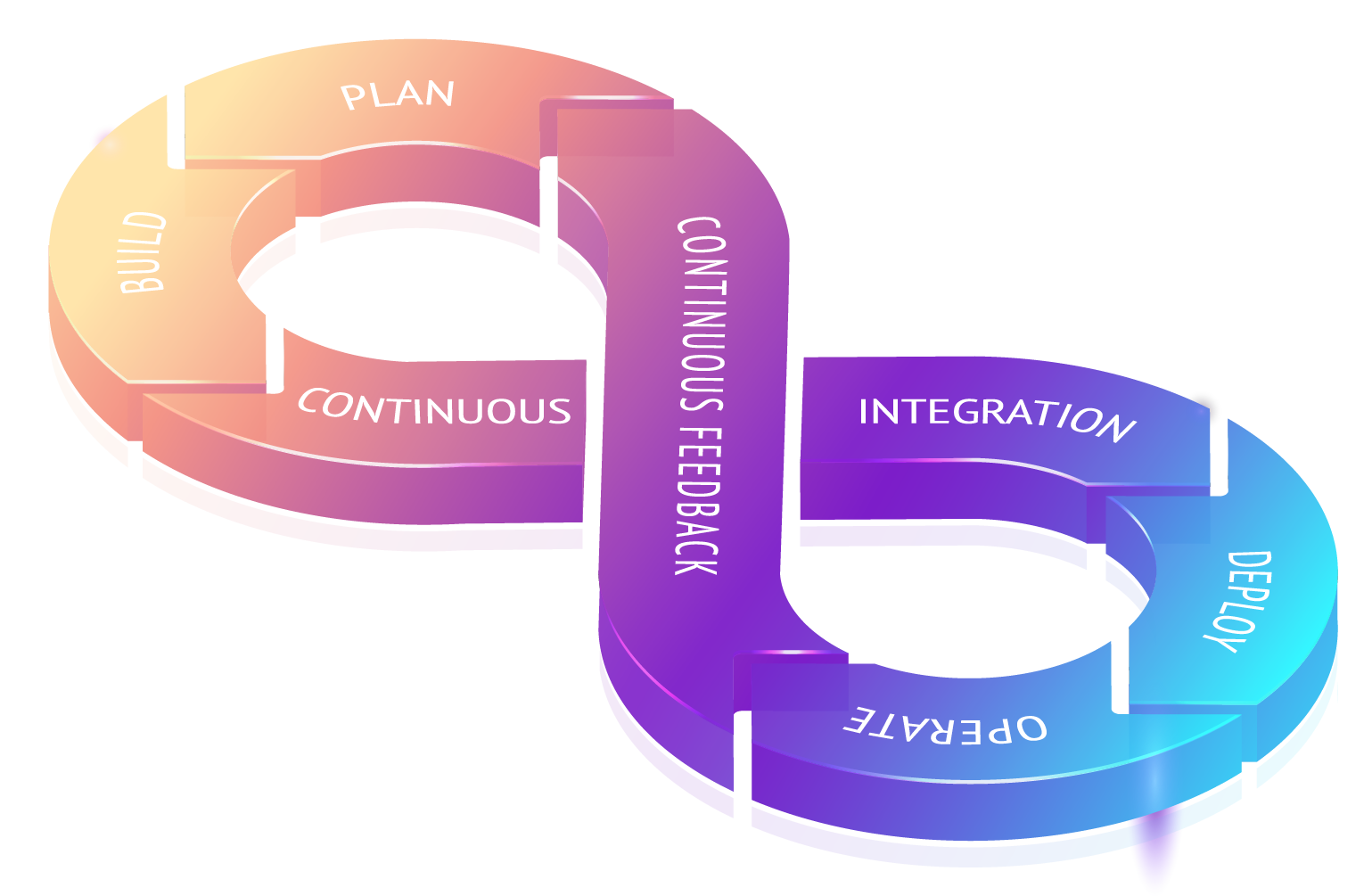
What we build
Practical AI services for production teams.
Model gateway and API architecture
Centralize model access, rate limits, retries, fallbacks, logging, and provider switching behind stable APIs.
Vector databases and retrieval
Set up embeddings, indexing, chunking, permissions, and retrieval pipelines that keep knowledge current.
Observability and cost controls
Track latency, token cost, errors, quality signals, and user feedback so teams can operate AI with confidence.
Secure deployment workflows
Use CI/CD, secrets management, role-based access, and environment separation for safe releases.
Delivery process
From use case to measurable launch.
We keep the process transparent: define the work, build the smallest useful version, measure quality, and improve it with real feedback.
01
Audit the current stack
We review hosting, data sources, APIs, permissions, and product workflows.
02
Design the AI platform layer
We define model access, retrieval, background jobs, queues, and monitoring boundaries.
03
Implement and migrate
We build the infrastructure while keeping your existing product stable.
04
Operate and optimize
We tune cost, latency, quality, and reliability as usage grows.
Use cases
Where this creates business value.
RAG infrastructure
Vector storage, document sync, indexing jobs, permission-aware retrieval, and monitoring.
AI product backend
APIs, queues, caching, logging, provider routing, and scalable background workers.
AgentOps foundations
Trace agent decisions, tool calls, failures, retries, and human approvals.
Cloud modernization
Move legacy workflows into cloud-native systems ready for AI-powered automation.
FAQs
Can this work with our existing cloud?
Yes. We work with the platform you already use and design around your compliance, security, and operational requirements.
Do we need GPUs?
Not always. Many products can start with managed model APIs. Dedicated inference or GPU infrastructure is useful when privacy, latency, volume, or custom models require it.